
Wellness Is Simple
Yet simplicity is something the modern world rarely offers us.

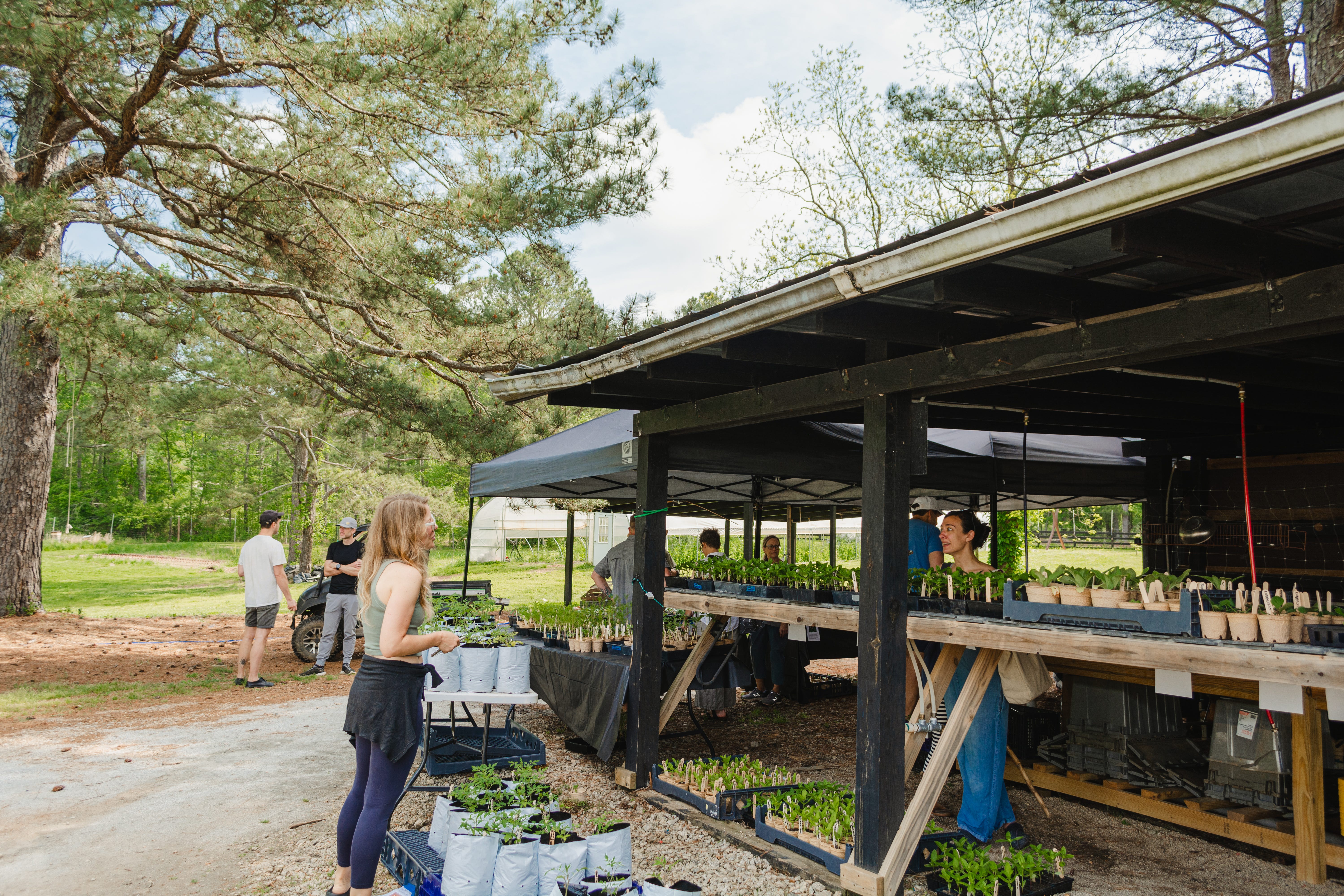
In her wonderful book Love, Nature, Magic, my friend Maria Rodale writes:
Growing plants for food, beauty, and pleasure is a creative collaboration with the greatest artist of all – nature. It took me decades to learn that I am not the one in control, and the more I relax and pay attention to what everything in my garden wants, the happier we all are. It’s not a war, it’s a dance. It’s not a competition, it’s a partnership. It’s not a race, it’s a festival. It’s not easy, but it’s the kind of hard that builds strong muscles and creates something new and wonderful. And isn’t that what we want to do in this world? Create something original and exciting, encouraging everyone to live to their full potential and enjoy this strange experience we call life? With a garden, we can create the world we want to see and live in. That, my friends, is magic.
The simple act of gardening provides so much of what a person needs: movement, direct connection to nature, and fresh food. For me, this excerpt also reflects a profound truth that genuine wellness is actually pretty simple.
Yet simplicity is something the modern world rarely offers us. The global wellness industry is worth trillions, and it shows up everywhere from Instagram ads and influencers to supplements, smartwatches, and grocery aisles. We’re constantly being sold the promise of a “better you.” Just follow this routine. Just buy this product. As if being healthy is only one smoothie, supplement, or fitness tracker away…
Yes, it’s important to strive for wellness, but real health is simpler and much less individualistic than the wellness industry would have us believe. It’s about moving our bodies, eating well, connecting with others, and living in harmony with the natural world.
Unfortunately, the way our lives are structured, including in the built environment, makes those simple things hard to do. From school to the workplace, many people spend eight or more hours a day parked in front of a screen. Neighborhoods are spread out, with homes far from stores, schools, or parks. Infrastructure for walking or biking is often minimal or nonexistent.
Our food system doesn’t make it easy, either. Instead of fresh, whole foods, many of us rely on cheap, processed options that are high in sugar, sodium, and unhealthy fats. Sometimes it’s a matter of convenience: fast food is everywhere, and it’s quick, cheap, and easy. In other cases, particularly in food deserts, there simply aren’t healthy options nearby at all.
And then there’s loneliness. Even before the pandemic, rates of isolation and disconnection were climbing. Many people move through their days surrounded by others but rarely feeling known. Yet community is just as vital to our well-being as good food or exercise. We are wired for connection. We thrive when we know our neighbors, when we feel a sense of belonging, when we have spaces that invite us to gather, talk, share meals, and celebrate life together.


When I began developing Serenbe, I wasn’t thinking about solving the modern health crisis. I was, however, thinking about how to build a place that respected the natural world and fostered human connection. And in doing so, we created a community that naturally supports better health and well-being.
Take walkability, for example. Serenbe’s layout is designed for people, not just cars. Sidewalks and paths connect homes, shops, and amenities. Over 20 miles of nature trails link our neighborhoods, encouraging people to walk, hike, and explore.
Green spaces are preserved right in the center of neighborhoods, so people live with nature, hearing birdsong, watching vegetables grow, walking shaded trails to dinner or the general store. This daily contact with nature lifts our mood, reduces stress, lowers anxiety, boosts creativity, and helps regulate our nervous systems.
Food is another cornerstone of well-being at Serenbe. We were one of the first modern developments to build homes alongside a working farm. In our Grange hamlet, for example, residents live just steps away from fields and pastures. When we first proposed building homes right next to the farm, traditional developers thought I was out of my mind – but the benefits became clear over time. Residents form genuine relationships with the land, the farmers, and one another. And fresh, healthy food is never far away.
Serenbe Farms also serves the broader region through our community-supported agriculture (CSA) program, which is open to everyone, not just residents. For thirty weeks each year, members pick up weekly shares of seasonal produce grown right here. Every Saturday, our farmers market brings together growers, fishmongers, and butchers from across the region. Even in winter, we host regular pop-ups to keep that local food connection alive.


But perhaps the most powerful form of nourishment we offer is daily connection to each other. Through shared meals, neighborhood gatherings, arts events, and simple chance encounters on the trails, community is a fact of life here. People know each other and look out for one another. They notice when someone’s struggling and they celebrate each other’s milestones. That network of care is what allows wellness to take root and endure.
All of this – walkable design, access to fresh food, daily contact with nature, and the strength of community – comes down to one idea: wellness isn’t complicated. Our bodies and minds already know what they need. But we’ve built systems, cities, and schedules that pull us away from those simple truths. When we realign our environments with nature, food, movement, and one another, wellness stops being something we have to chase. It becomes the natural rhythm of how we live.
